The hazy, softly enveloping landscapes of Sydney-based painter Patrick Nicholas (born 1968) explore the dematerialisation of form through the lens of atmosphere and climate. Eschewing people, animals and, for the most part, vegetation, his subject matter is elemental: light, wind and water; sand, ochre and rock. Whether hiking in the Red Centre during heavy rainfall or surfing the reefs on both sides of the continent, Nicholas captures his experiences of diverse Australian landscapes in sketches, studies and oils en plein air.
Referencing these back in his home studio, Nicholas also draws on his memories of a particular location. These memories are of course visual – light, colour, form, composition. But also olfactory and auditory – the smell of approaching rain and the thudding sound of its first drops. Tactile – the slipperiness of wet rock on bare feet. Even gustatory – the salty tang of ocean air.
The Transparency of Form takes us inland to Tjoritja/West MacDonnell Ranges, Uluru and Kata Tjuta. Here, Nicholas experienced multiple dramatic wet weather events while camping on Arrernte Country. “Seeing so much rain in the desert was totally unexpected,” he recalls. “The dry centre burst into life, washed and glazed in rainfall. The bright green of the new growth balanced the dark ochre of the wet ground and sculptural forms.”
Nicholas shows us the mottled texture of monoliths shimmering in sunlight following a downpour while bodies of water pool around them. The colours – lilac, pink, ochre and yellow – appear almost phosphorescent in their richness. There is a feeling of being held, somehow enclosed within the sensuous, even anthropomorphic, silhouettes of the landscape.
Walking part of the Larapinta Trail, Nicholas visited Ormiston Creek, Rutjumpa (Mount Sonder) and the domed rock formations of Kata Tjuta (which means ‘many heads’ in Pitjantjatjara/Yankunytjatjara), as well as Uluru and Mutitjulu Waterhole. “Up close, the high silhouettes and in-between spaces of Kata Tjuta gave you a sense of transparency, of passing through within the coloured shadows, with no vanishing point or horizon. In the Valley of the Winds, the spatial passages between the shapes and shadows left an imprint on me,” he says.
A trio of paintings depicts Kata Tjuta from low, medium and high horizon lines. These are views from Karingana Lookout as seen through a grove of trees, with vertical and diagonal branches slicing up the picture plane. This effect is amplified by Nicholas’s play of colour, which tracks the changing light conditions and their filtering effect across the landscape.
Another board looks out from inside a tent, which partially frames the composition, towards a rust-red escarpment dotted with trees – Rutjumpa (which means ‘pregnant lady’, in reference to the ridge’s elongated profile in silhouette), also known as Mount Sonder. Nicholas painted the work en plein air right after summiting the mountain, and recalls being captivated by the sight of the heavy quartzite rock, uplifted then eroded beneath the silhouette of the tent’s awning.
“I wanted to acknowledge the colonial tent structure within a First Nations context, as I was camping on Country, connecting with place and the land, and learning about and honouring Arrernte culture and lore,” he says.
Stillness and transparency ; Silence and clarity. For Nicholas, art is both affirming and transforming, a zone of creative synthesis where impressions and memories mingle freely with feeling and imagination to produce pictures deeply embedded in his own experience. He instinctively calibrates the various inputs to the requirements of each work, or body of work. The Transparency of Form encompassed more subject-driven responses fed by his sense impressions.
And in choosing landscapes in the centre of the country and at its edges, Nicholas has focused on locations subject to a diversity of weather events. These in turn promote multiple readings of form. What a difference encroaching fog or a sudden drenching makes to an environment.
“These landscapes have revived and inspired me,” says Nicholas, “not just as an artist but as a human being.”
– Words by Tony Magnusson, Sydney-based visual arts writer & curator.
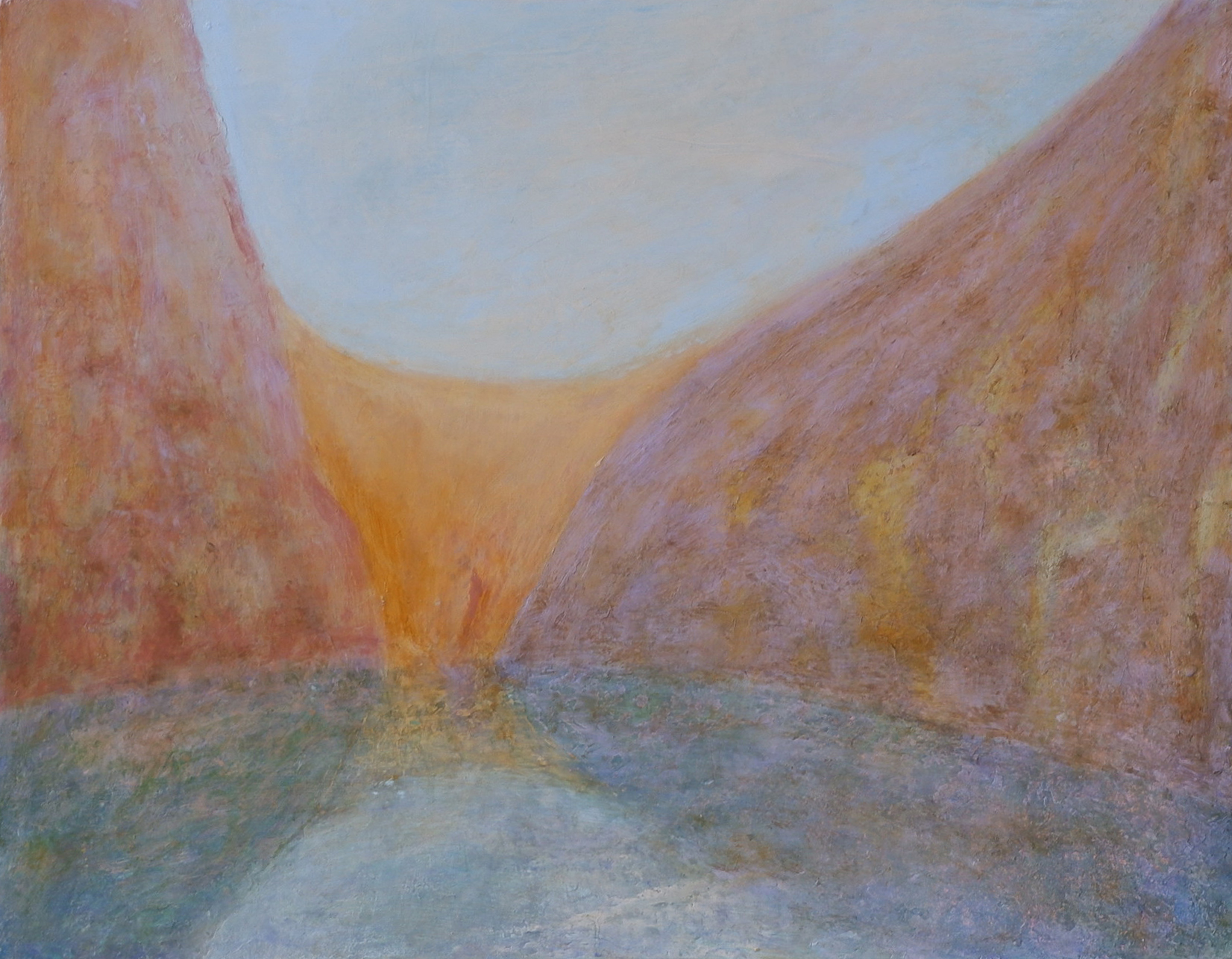
Mutitjulu Waterhole 1
2026
360mm x 280mm
Oil on plywood
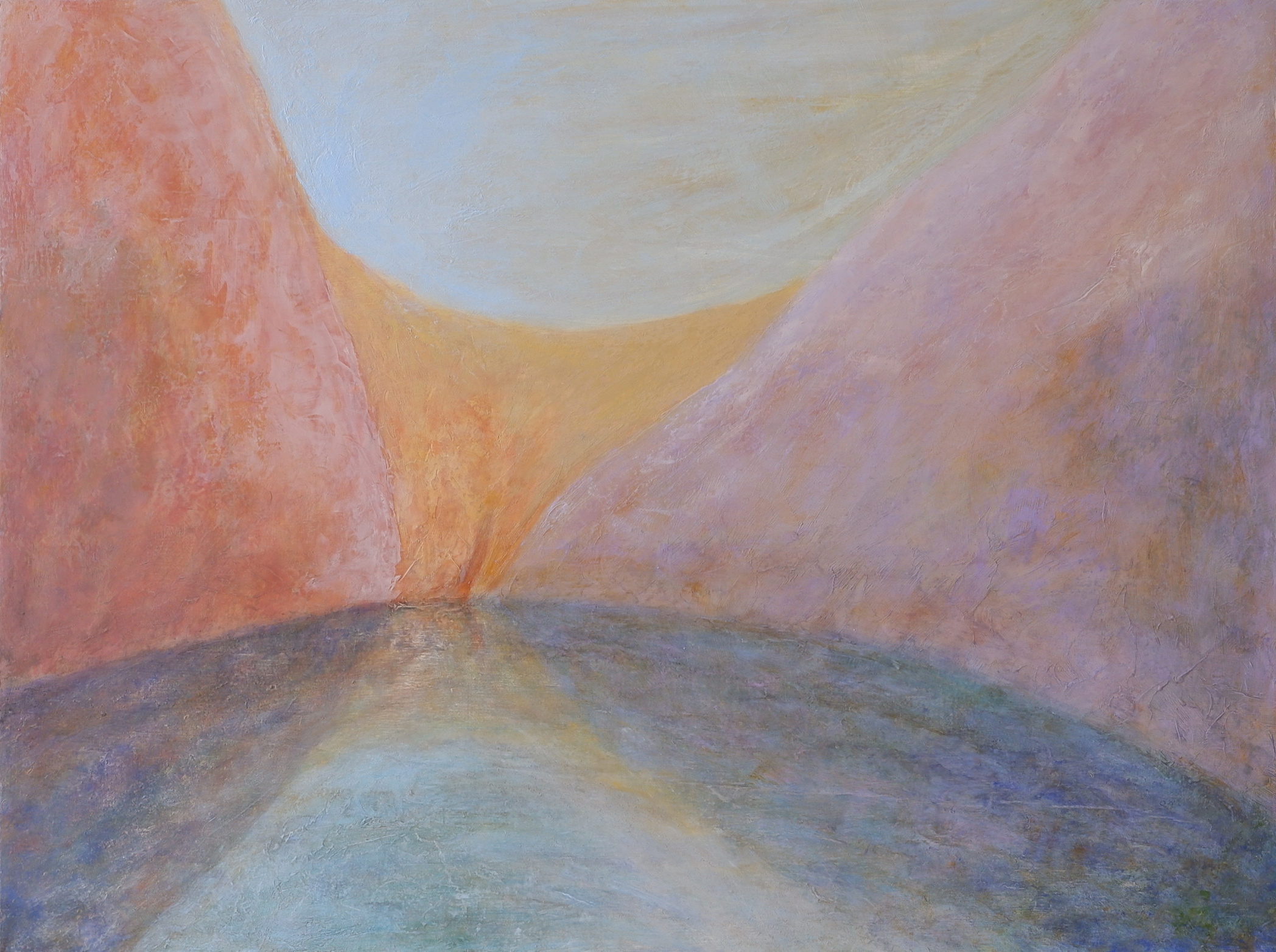
Mutitjulu Waterhole 2
2026
360mm x 280mm
Oil on plywood
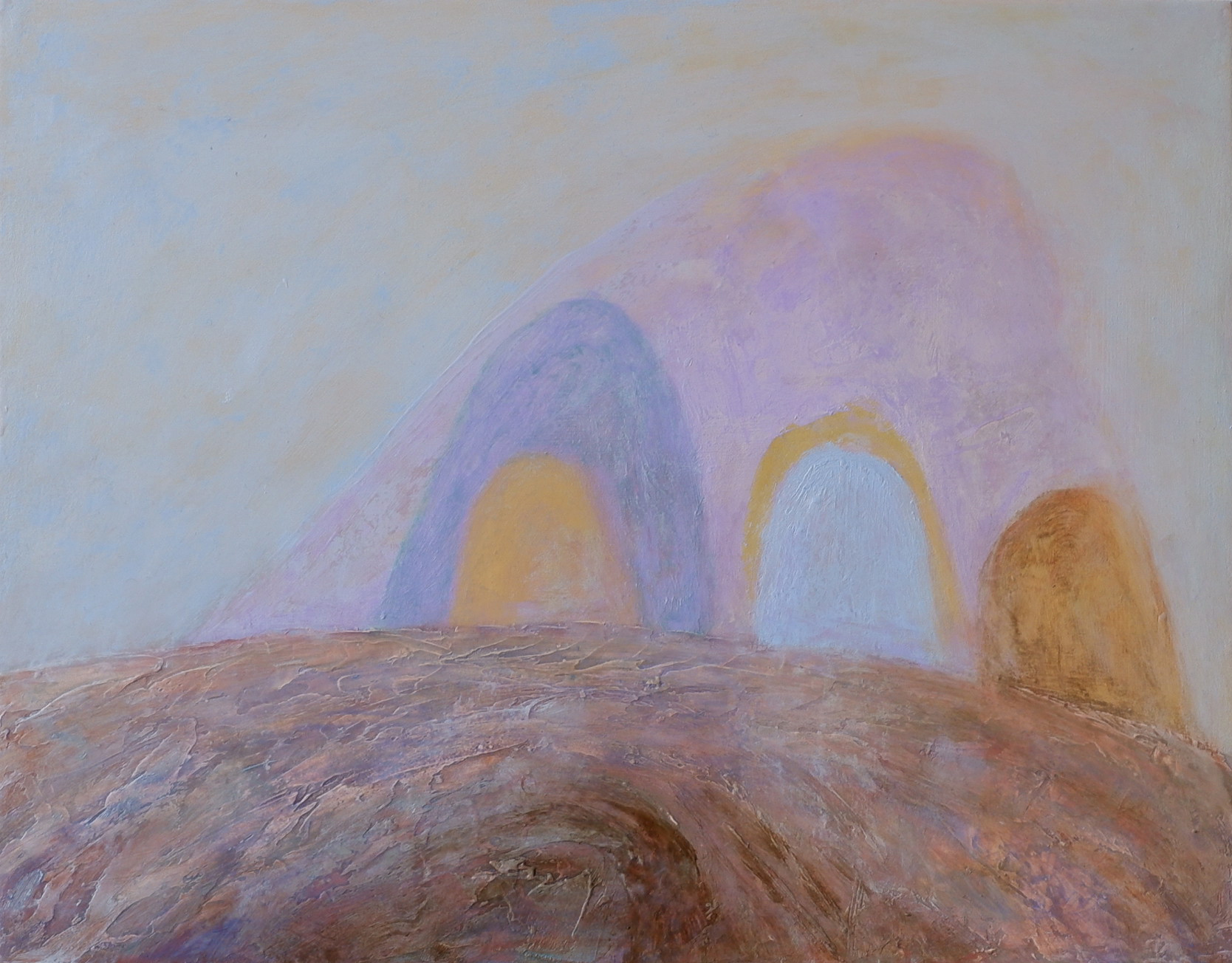
Peaks & Domes
Kata Tjuta
2026
360mm x 280mm
Oil on plywood
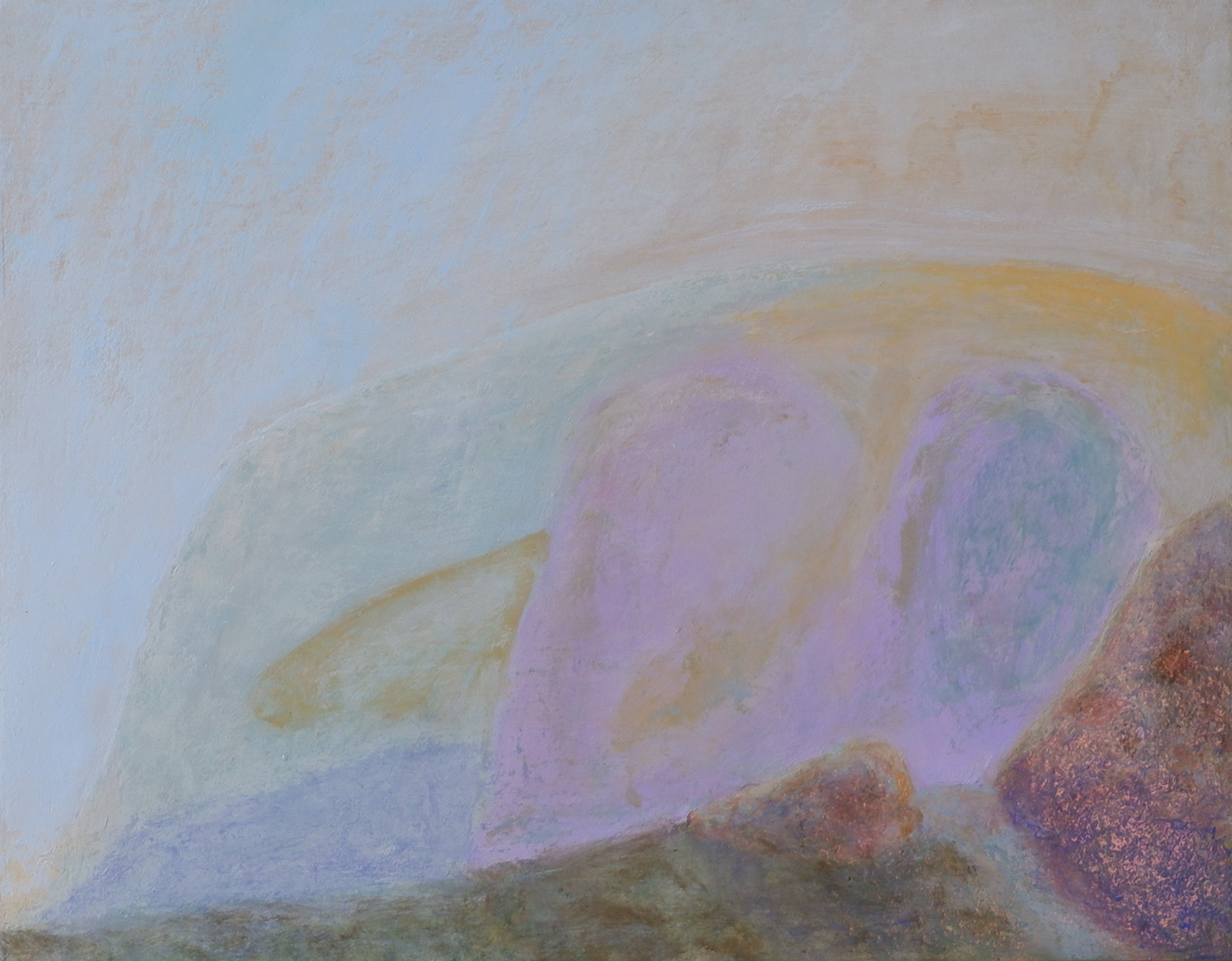
Dissolving Domes
Kata Tjuta
2026
360mm x 280mm
Oil on plywood
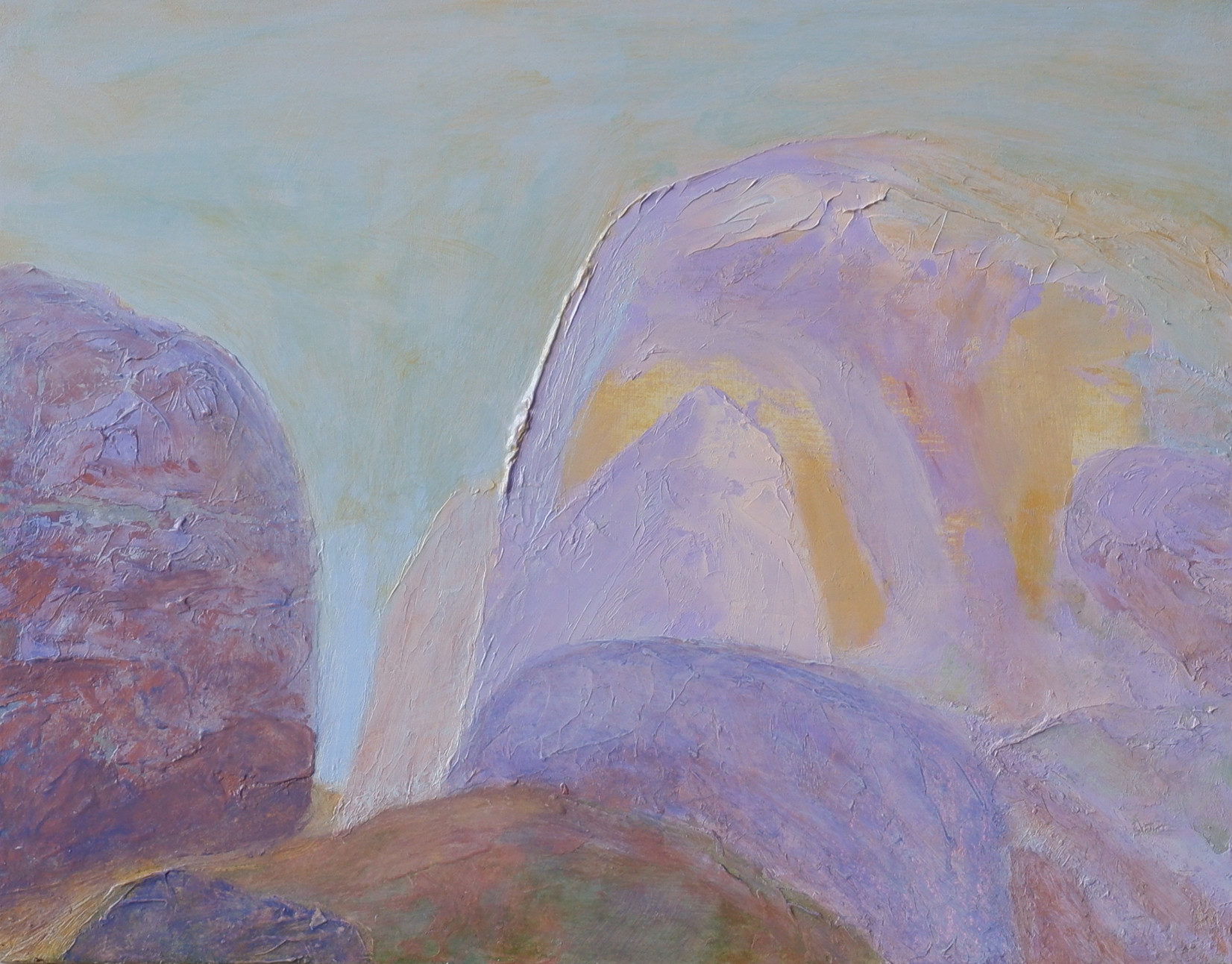
Passage through the valley of the winds 1
Kata Tjuta
2026
360mm x 280mm
Oil on plywood
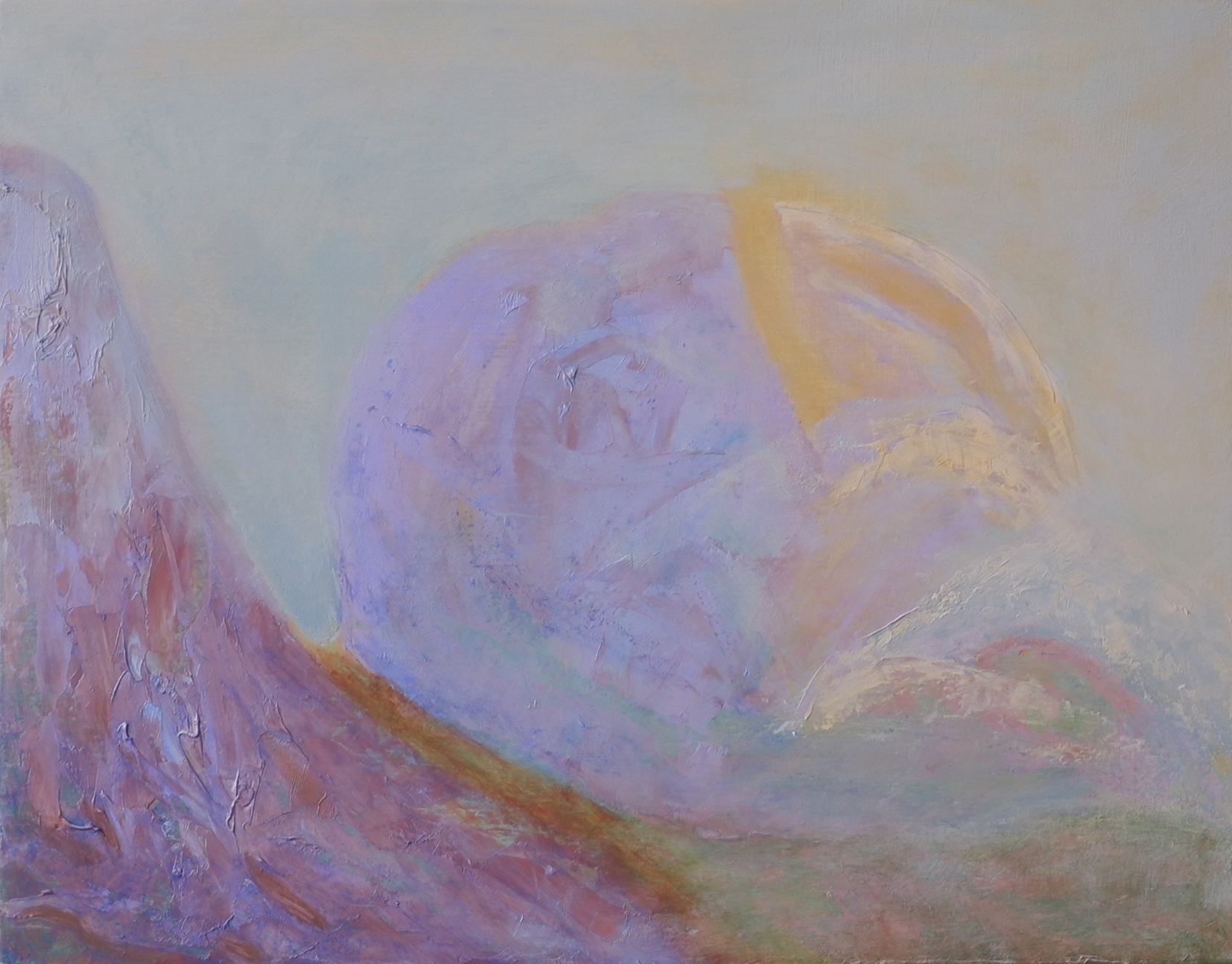
Passage through the valley of the winds 2
Kata Tjuta
2026
360mm x 280mm
Oil on plywood
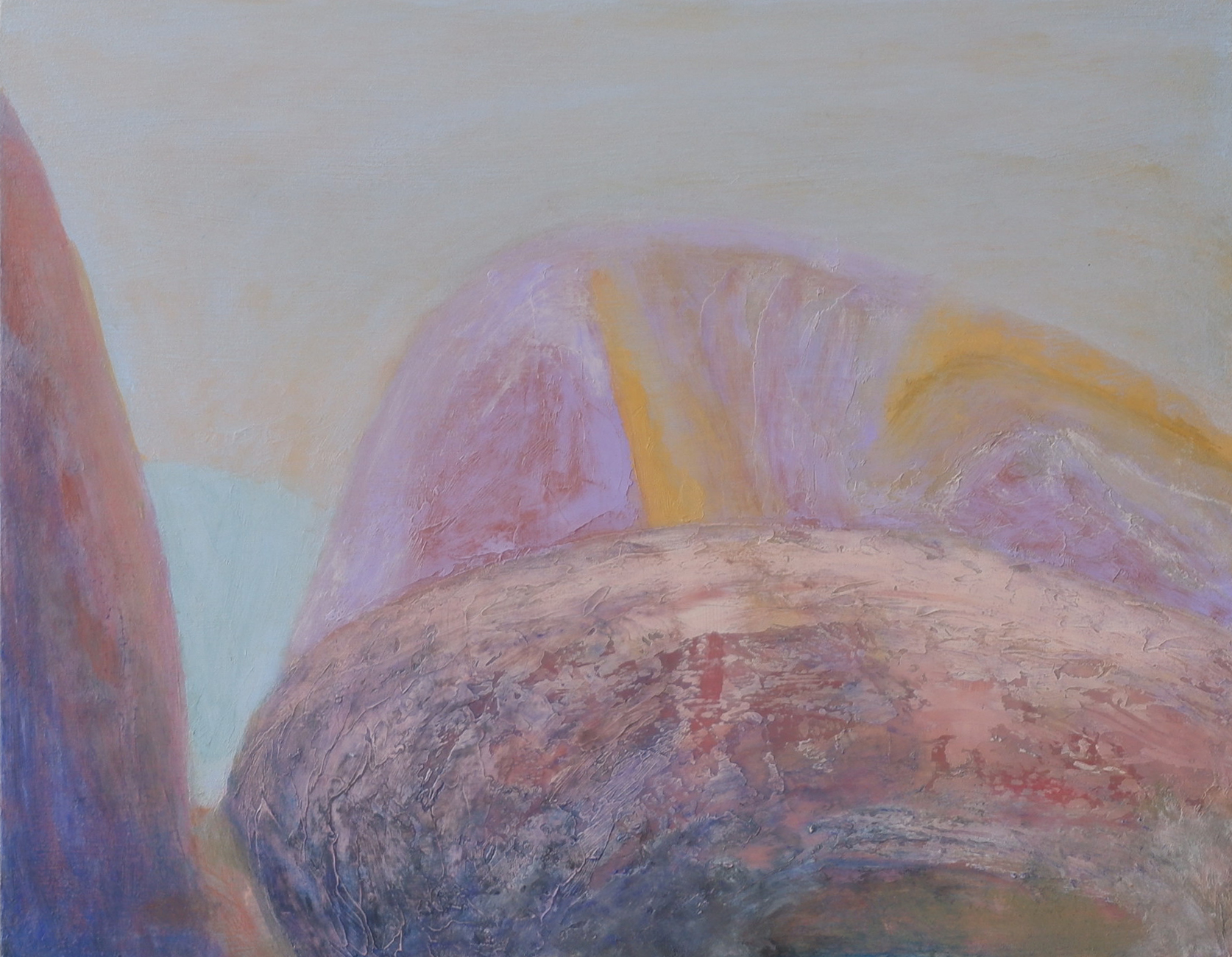
Passage through the valley of the winds 3
Kata Tjuta
2026
360mm x 280mm
Oil on plywood
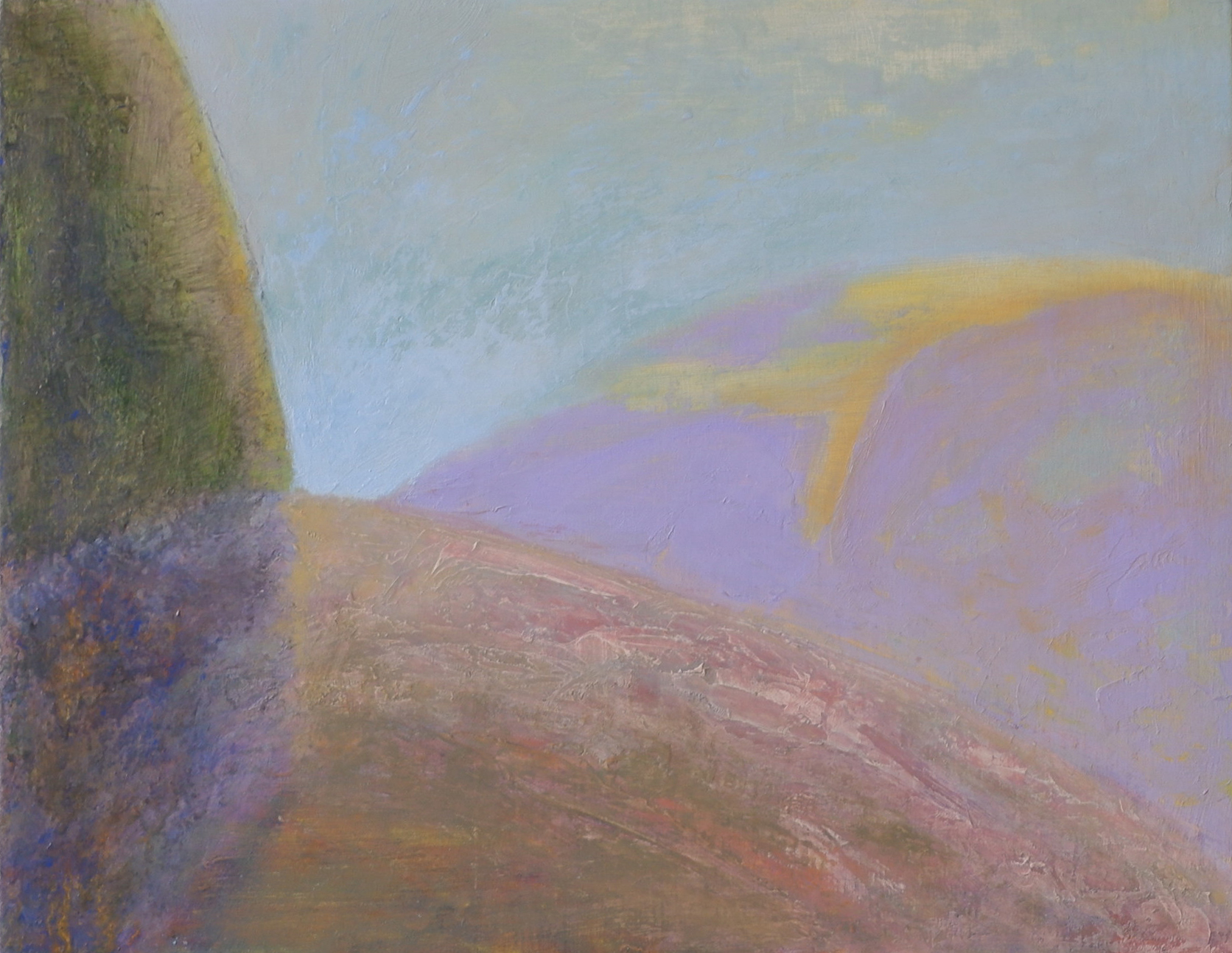
Passage through the valley of the winds 4
Kata Tjuta
2026
360mm x 280mm
Oil on plywood
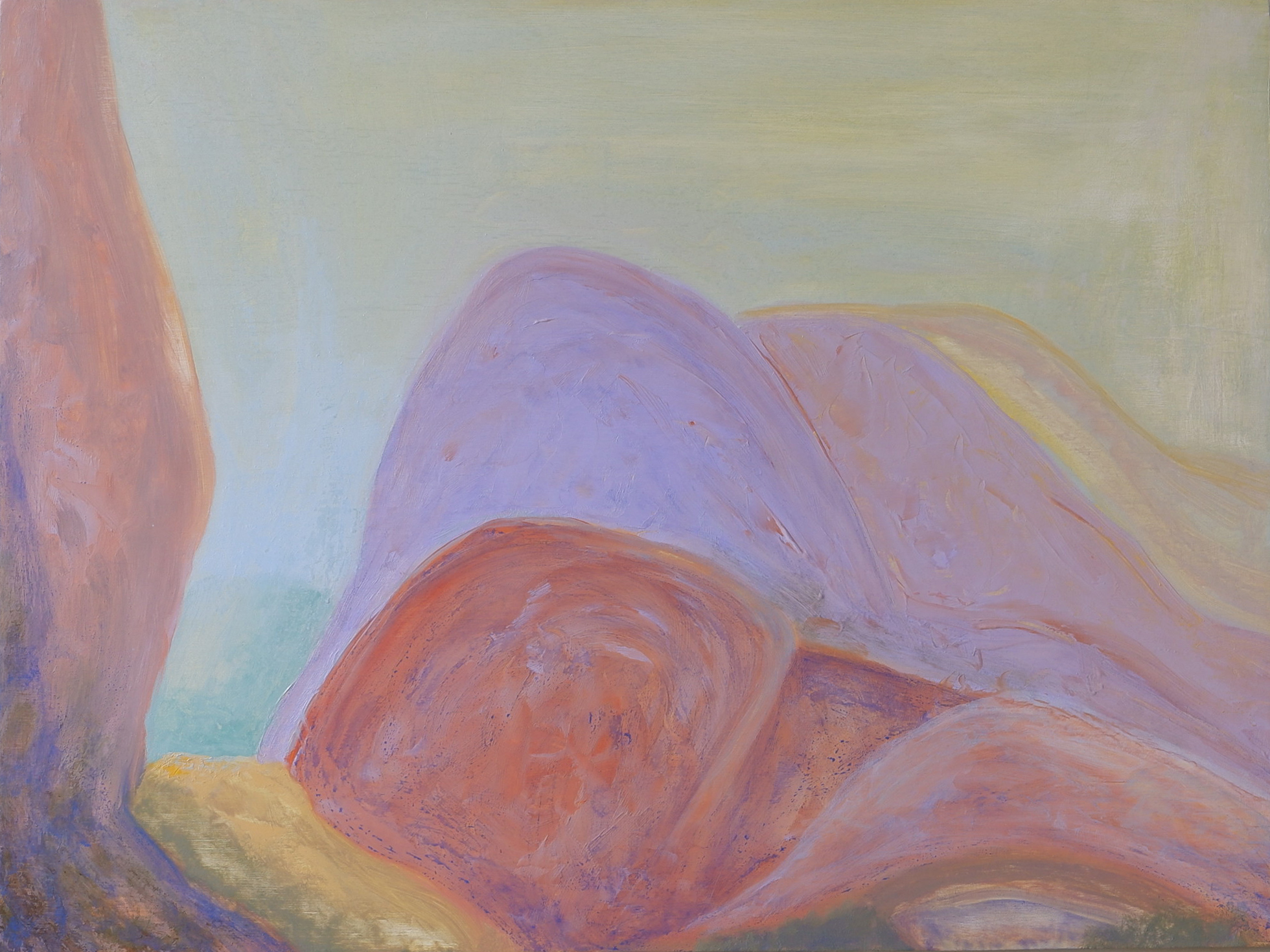
Passage through the valley of the winds 5
Kata Tjuta
2026
360mm x 280mm
Oil on plywood
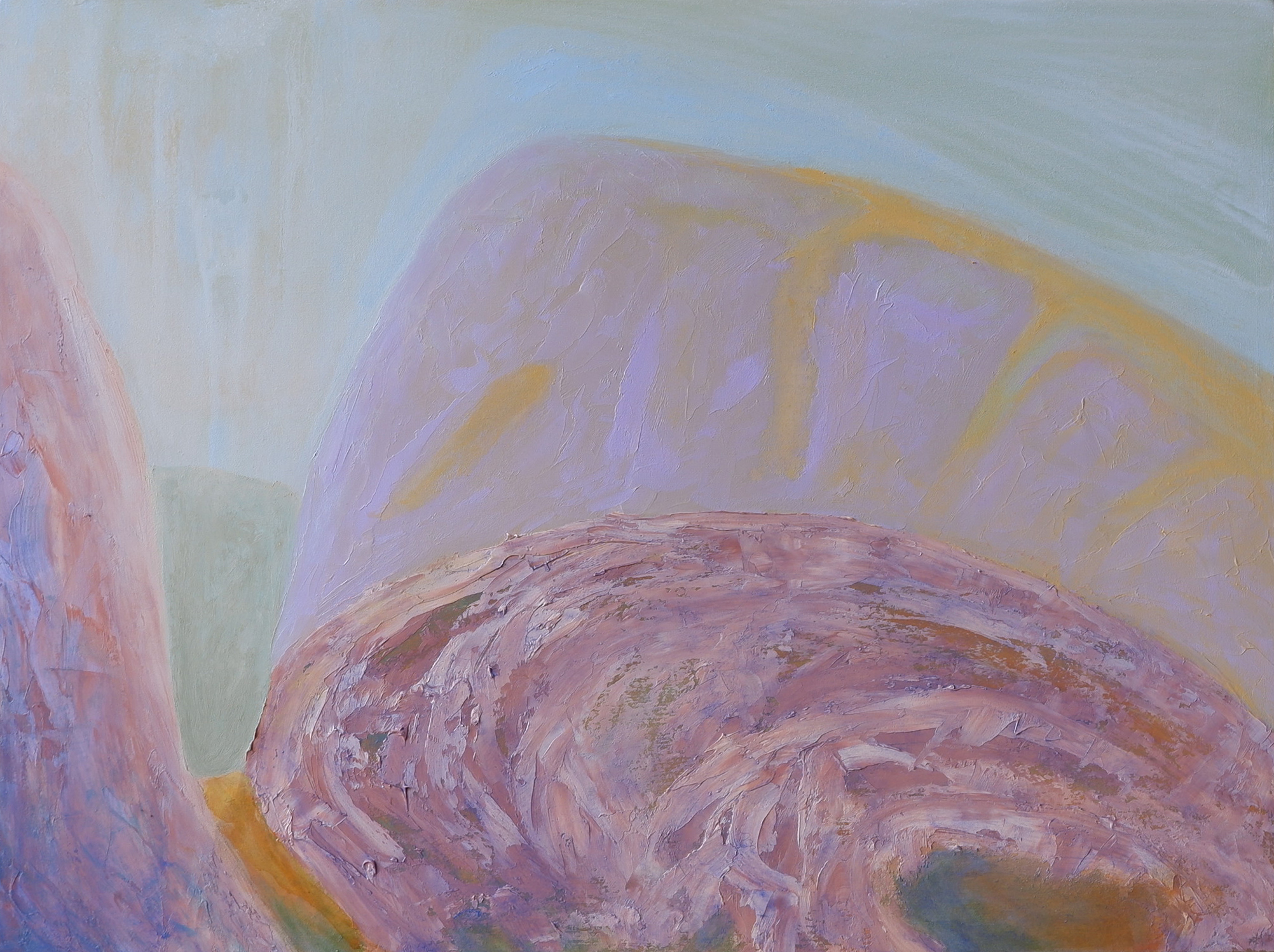
Passage through the valley of the winds 6
Kata Tjuta
2026
360mm x 280mm
Oil on plywood
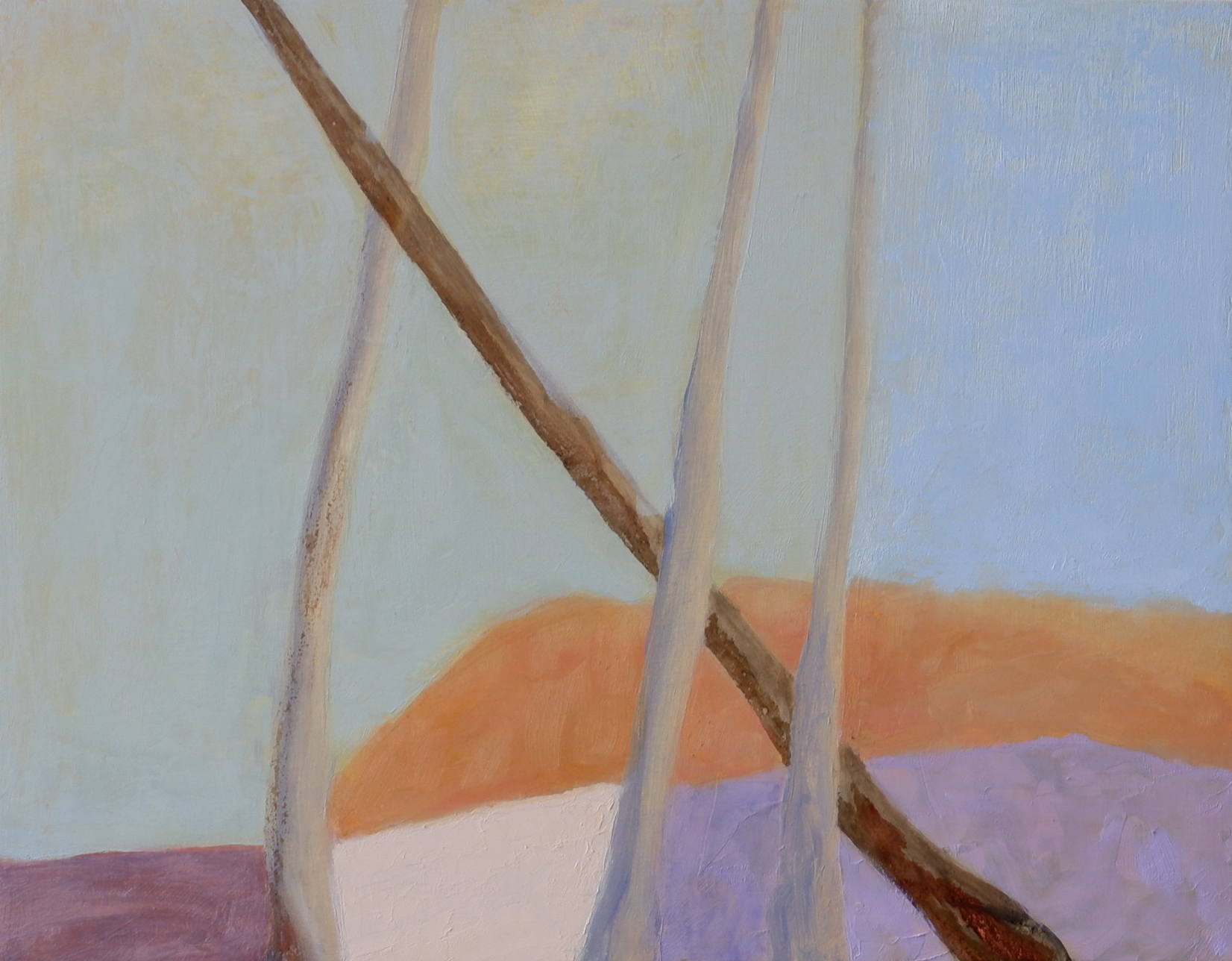
Karinga lookout grove 1
Kata Tjuta
2025
360mm x 280mm
Oil on plywood
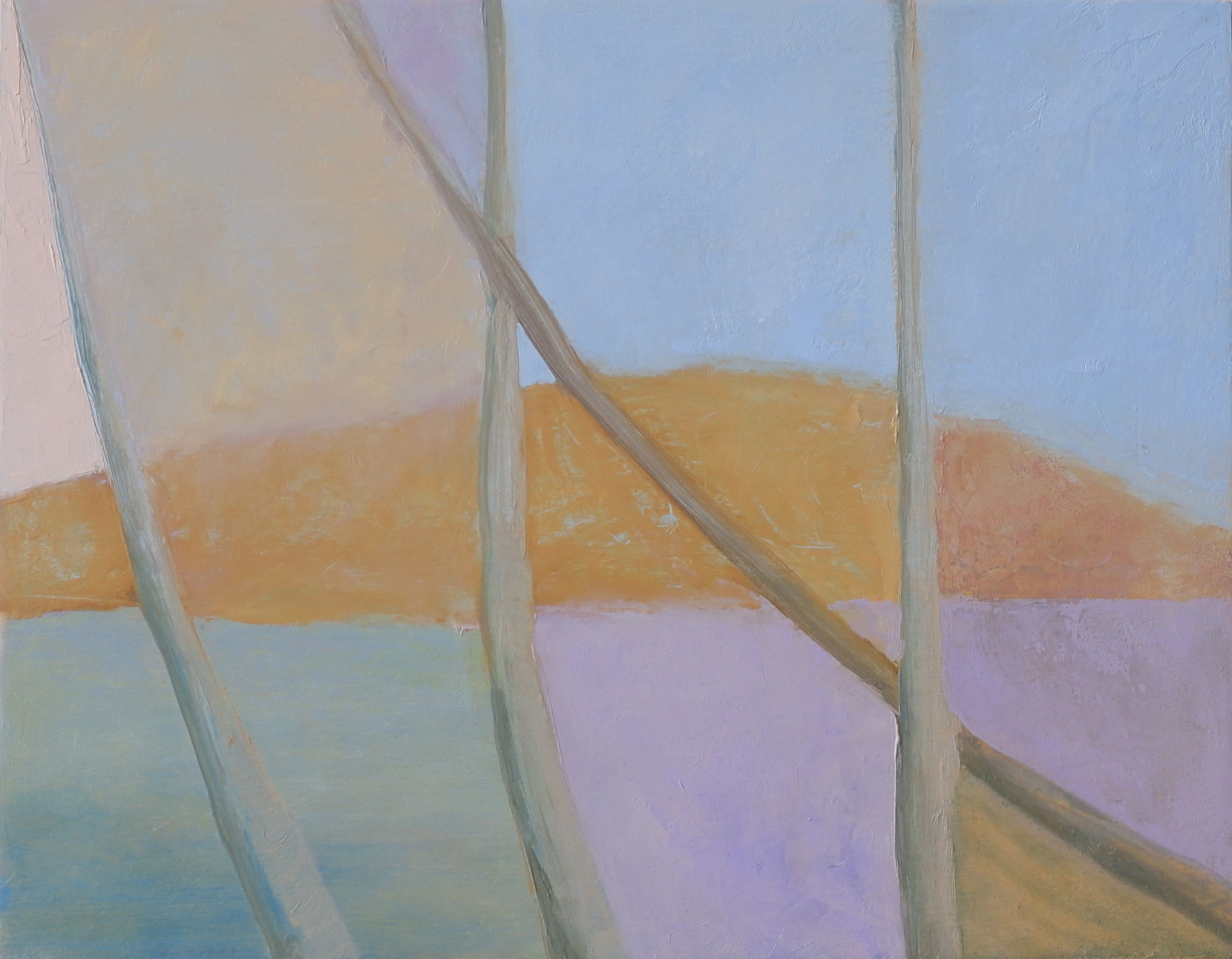
Karinga lookout grove 2
Kata Tjuta
2025
360mm x 280mm
Oil on plywood
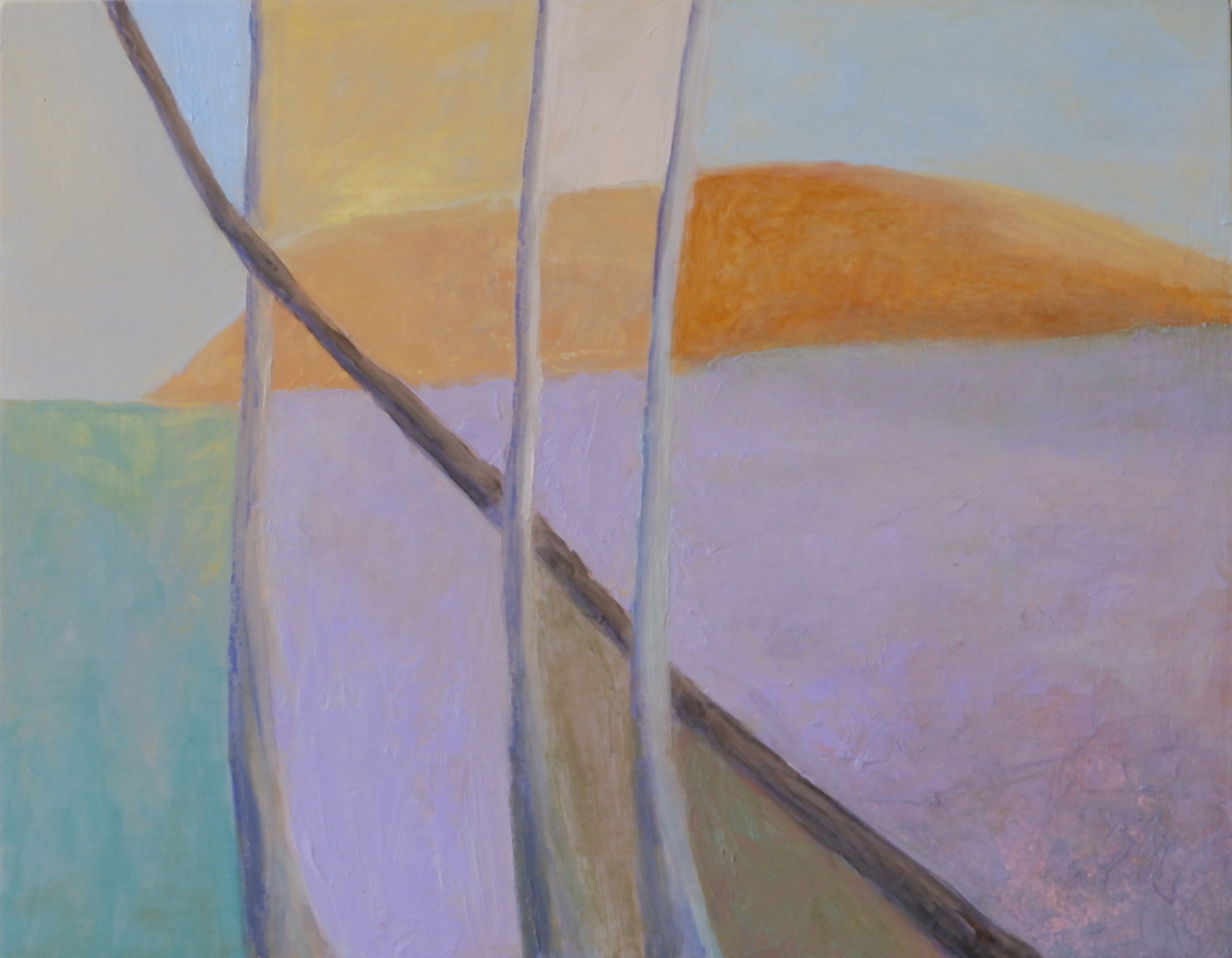
Karinga lookout grove 3
Kata Tjuta
2025
360mm x 280mm
Oil on plywood
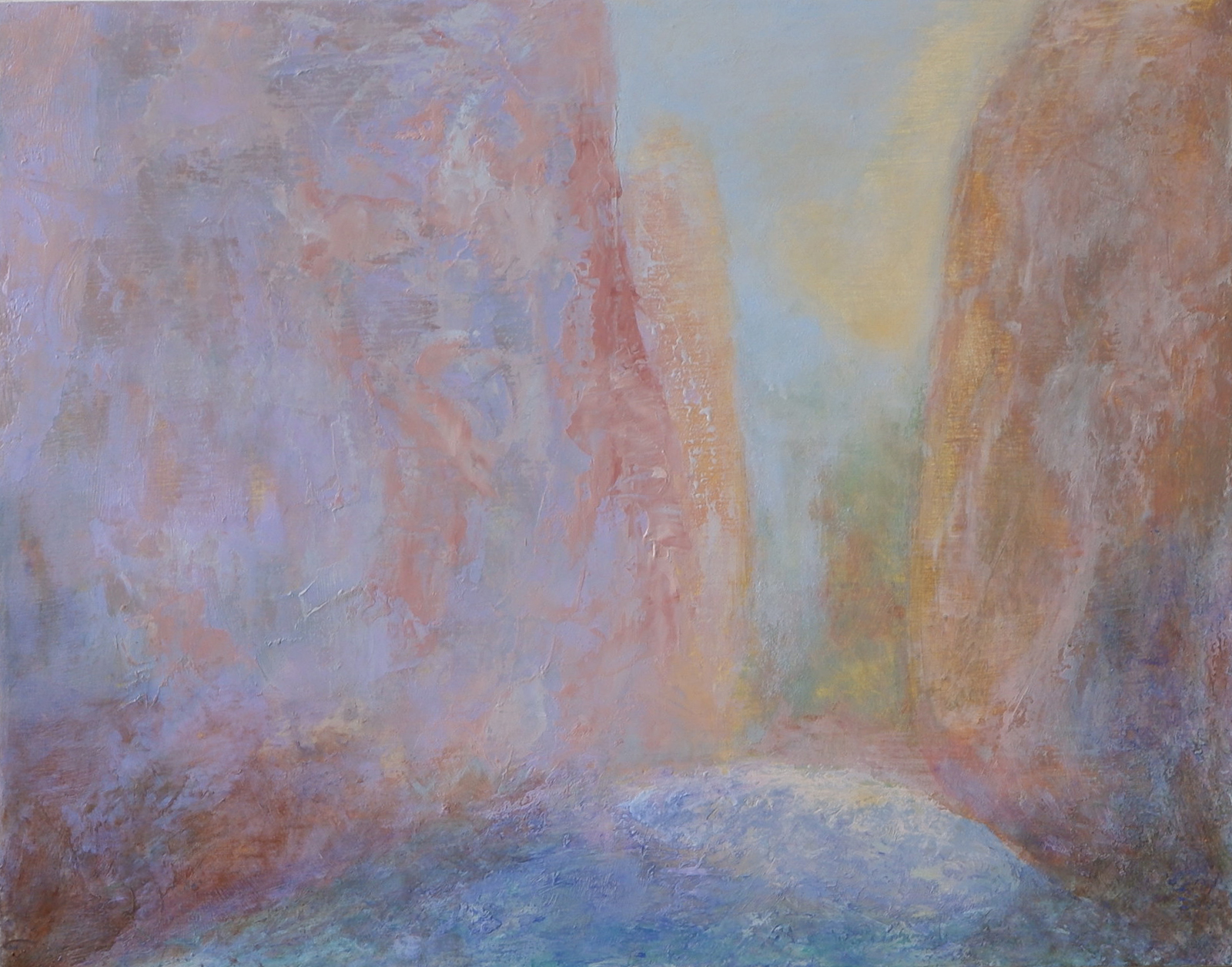
Standley Chasm 1
Angkerle Atwatye
2025
360mm x 280mm
Oil on plywood
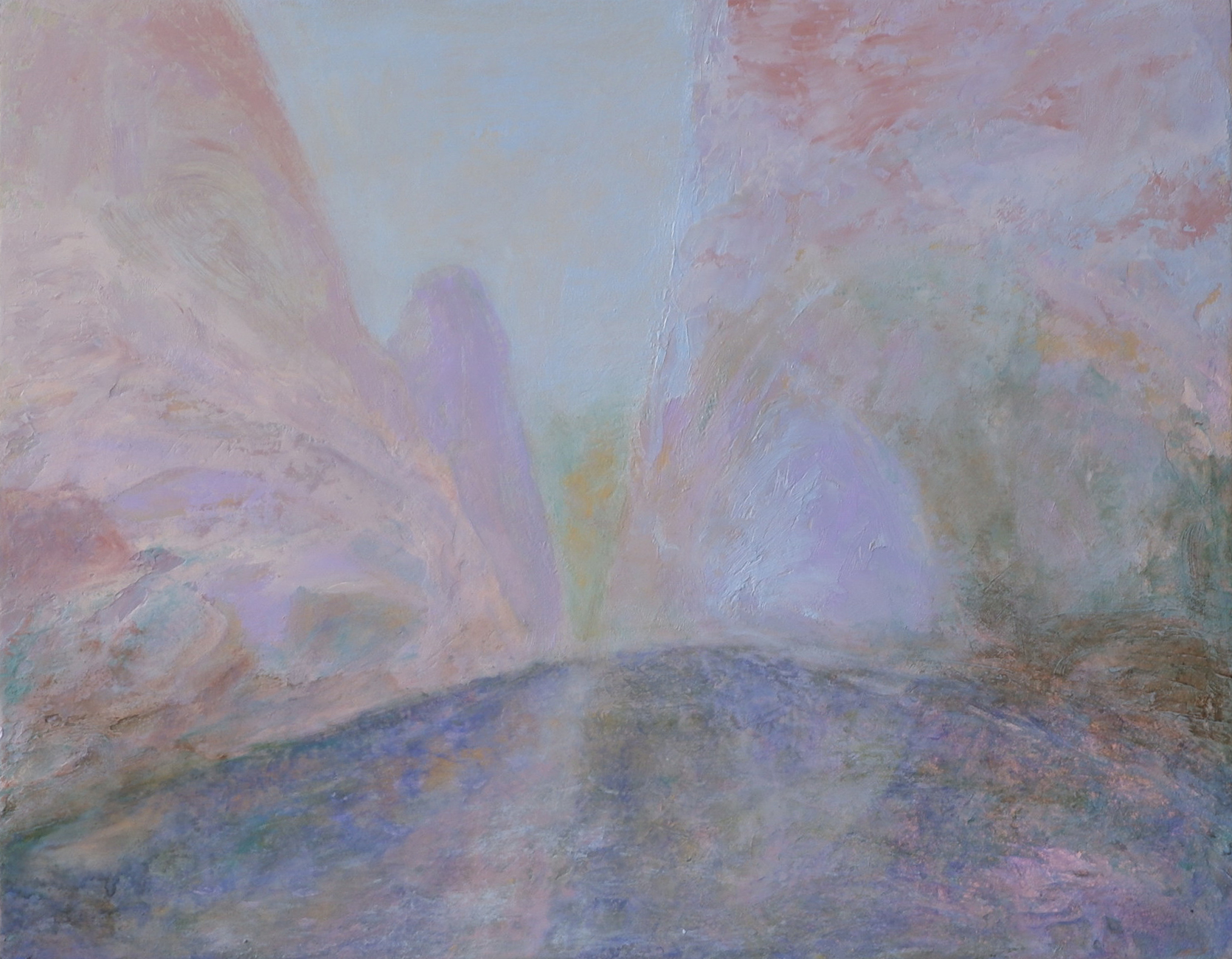
Standley Chasm 2
Angkerle Atwatye
2025
360mm x 280mm
Oil on plywood
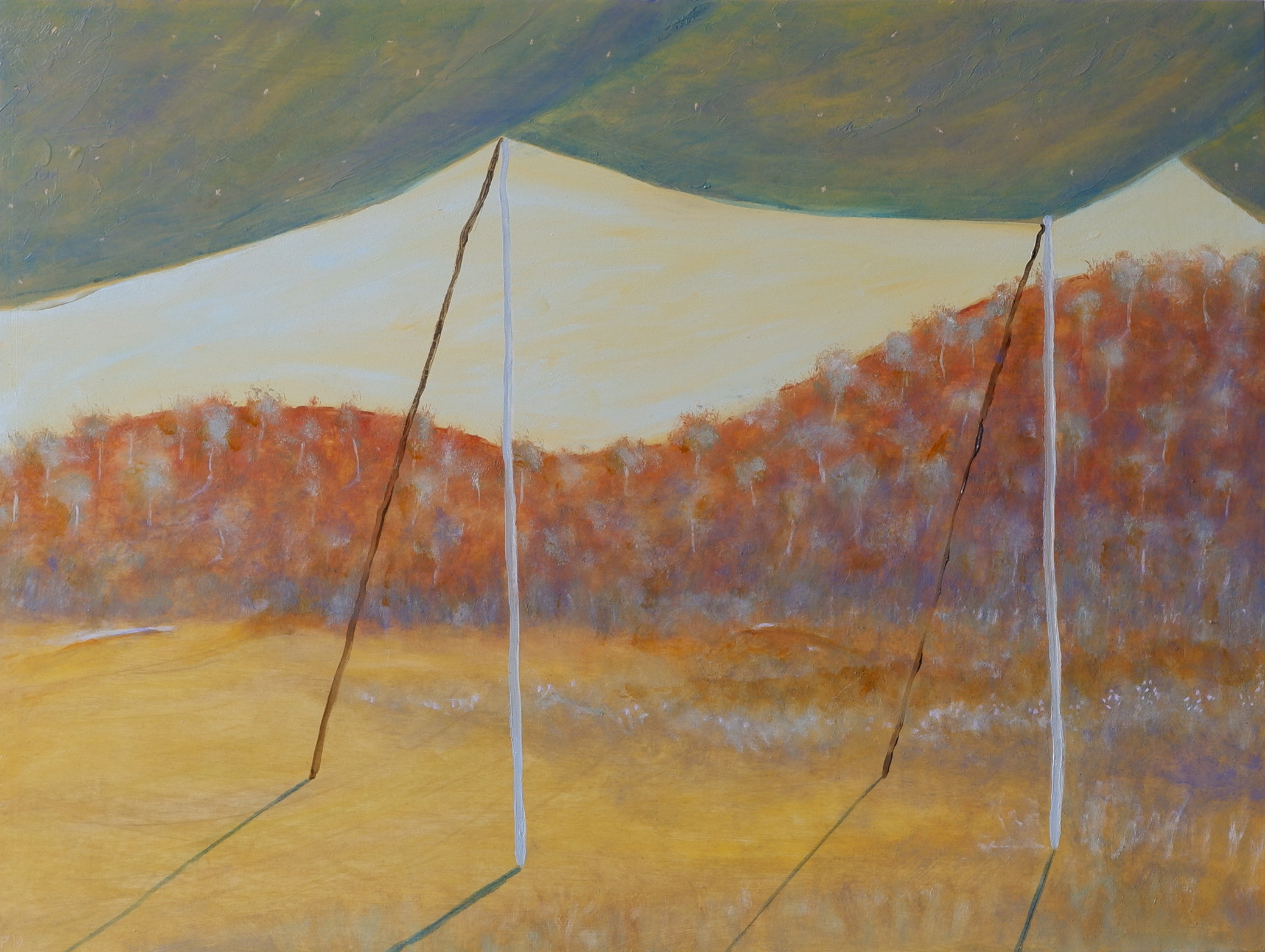
Encamp 1
2025
610mm x 460mm
Oil on plywood
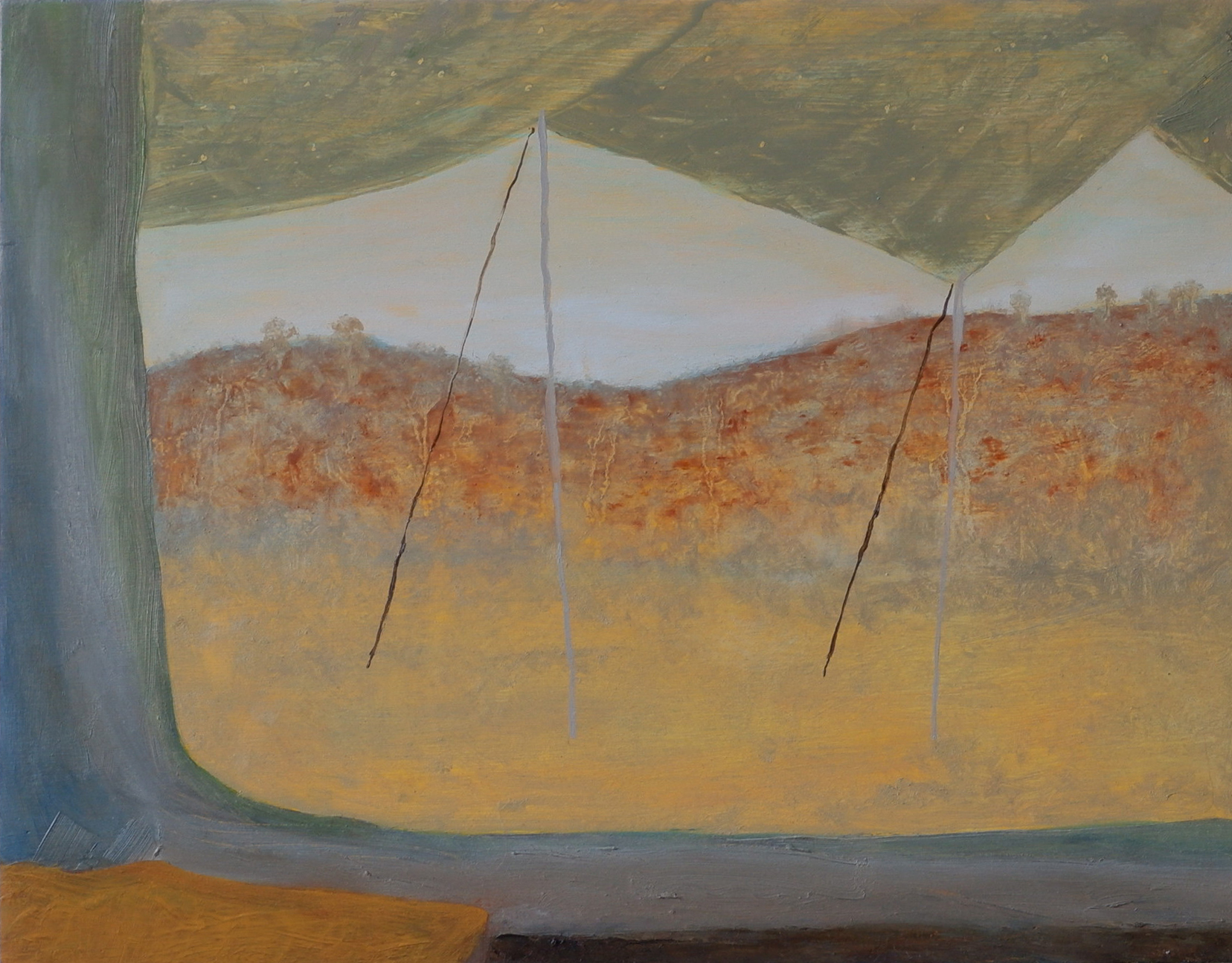
Encamp 2
2025
360mm x 280mm
Oil on plywood

